

Hidden Fractures: Protecting Growing Teeth from Summer Sports-Camp Impact Injuries
Blog:Hidden Fractures: Protecting Growing Teeth from Summer Sports-Camp Impact Injuries
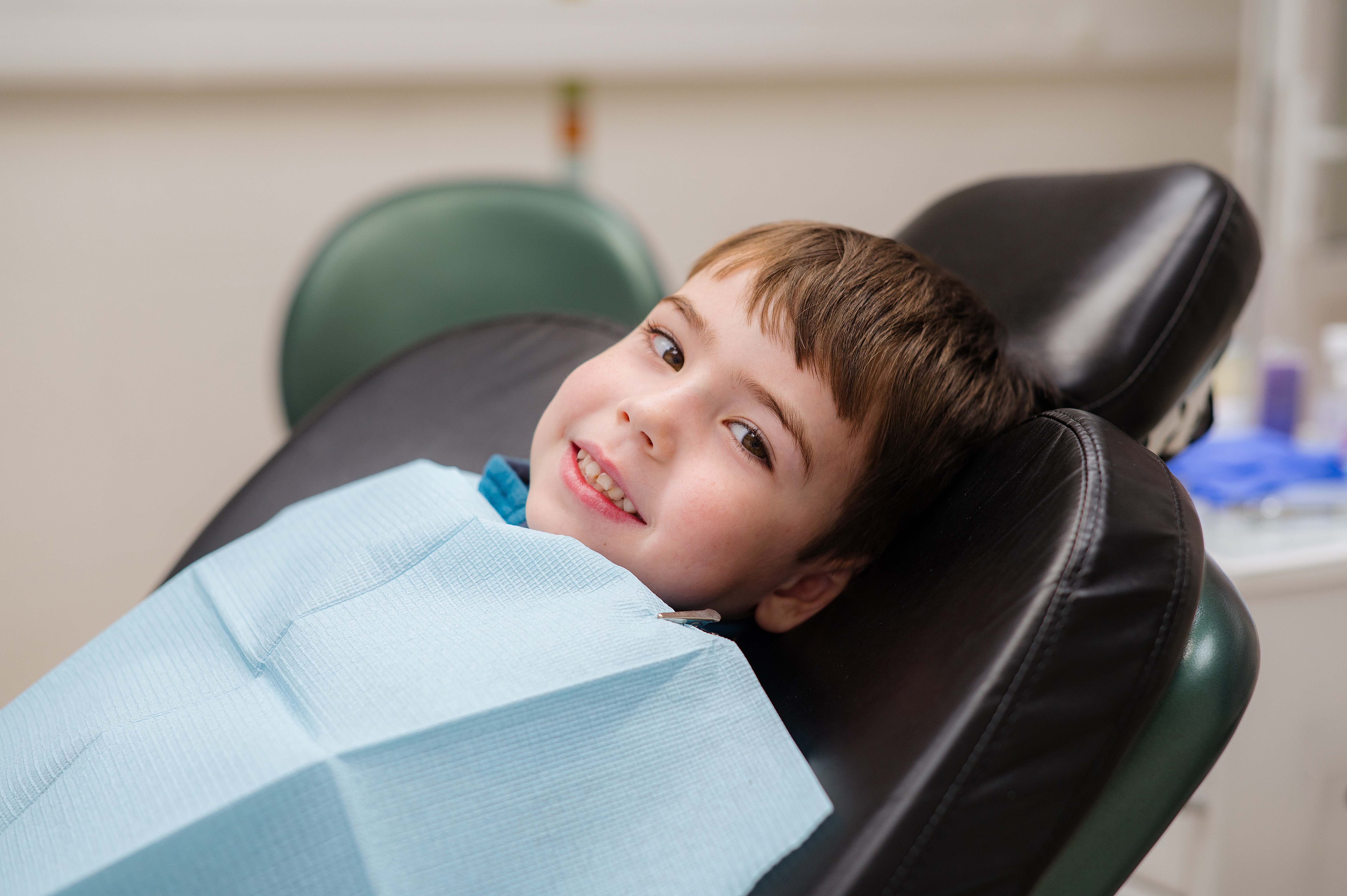
Summer sports camps keep kids active, social, and confident, but they can also increase the risk of dental injuries. Basketball, soccer, baseball, football, cheer, biking, and playground activities can all lead to falls, collisions, or direct blows to the mouth. For growing teeth, even a minor impact can sometimes cause a hidden fracture that is not obvious right away.
At Goad Family Dentistry in Indianapolis, we help families protect young smiles with preventive dental care and prompt evaluation when tooth injuries happen.
Why Summer Sports Injuries Need Attention
Kids often bounce back quickly after a fall, especially when there is no heavy bleeding or broken tooth visible. The problem is that some dental injuries happen below the surface. A tooth may look normal but still have a crack, root injury, nerve irritation, or damage to the supporting structures.
Growing teeth are still developing, which makes careful evaluation important. If an injury affects the tooth root, pulp, or surrounding bone, early detection may help reduce the risk of infection, discoloration, pain, or long-term complications.
What Is A Hidden Tooth Fracture?
A hidden fracture is a crack or injury that may not be easy to see during a quick look at home. It may be small, located between teeth, or extend below the gumline. Sometimes the first sign is sensitivity, tenderness, or pain when biting days after the impact.
Not every chip or crack requires major treatment, but any sports-related dental injury should be checked. A dentist can examine the tooth, assess symptoms, and determine whether X-rays or follow-up monitoring are needed.
Signs Your Child Should See A Dentist
After a sports-camp impact, parents should watch for changes even if the tooth looks intact. Schedule a dental evaluation if your child has:
- Tooth pain after a fall or hit to the mouth
- Sensitivity to cold, heat, or sweets
- Pain when chewing or biting
- A loose, shifted, chipped, or cracked tooth
- Swelling around the gums or face
- Bleeding that does not stop quickly
- Tooth discoloration after an injury
- A cut lip, tongue, or cheek near the injured tooth
These symptoms may point to a fracture, nerve injury, infection risk, or damage that needs prompt attention.
Why Mouthguards Matter During Sports Camp
A properly fitted mouthguard can help reduce the risk of broken teeth, lip injuries, and other trauma during sports. Store-bought mouthguards are better than no protection, but they may feel bulky, fit poorly, or make it harder for children to speak and breathe comfortably.
A custom mouthguard is designed for your child’s mouth, which may make it more comfortable and easier to wear consistently. For kids in Indianapolis who play contact or high-impact sports, a mouthguard should be part of the summer camp checklist.
What To Do Right After A Dental Injury
If a tooth is knocked out, chipped, or moved out of position, call a dental office promptly. For a knocked-out permanent tooth, avoid touching the root, gently rinse if dirty, and keep it moist in milk or tooth preservation solution if it cannot be placed back in the socket. Time matters.
For baby teeth, do not try to reinsert the tooth unless instructed by a dental professional. A dentist should evaluate the area to check for damage to nearby teeth or developing permanent teeth.
Why Follow-Up Visits Can Be Important
Some tooth injuries change over time. A tooth may feel better at first, then become sensitive or discolored later. Follow-up care allows your dentist to monitor healing, check for signs of nerve damage, and recommend treatment if symptoms develop.
This is especially important for children because permanent teeth are still forming and erupting. Early monitoring can help protect the developing smile.
Keeping Indianapolis Kids Safe This Summer
Summer sports are valuable for health, teamwork, and confidence, but dental protection should not be overlooked. A mouthguard, routine dental visits, and quick evaluation after impact injuries can help protect growing teeth from hidden fractures and long-term problems.
To schedule a dental evaluation or ask about protecting your child’s teeth during summer sports, contact Goad Family Dentistry in Indianapolis, IN at 6904 S. East Street Suite F, Indianapolis, IN 46227, or call 317.788.4239.
Helpful Articles
article_category: conditions
article_category: exotic
article_category: vision therapy
article_category: cosmetic
article_category: aesthetics
article_category: eyeglasses
article_category: faqs
article_category: FAQ & tips
article_category: dogs
article_category: psychiatry
article_category: eye surgery co-management
article_category: health
article_category: general
article_category: products
article_category: ocular disease management
article_category: restorative
article_category: surgical procedures
article_category: services
article_category: preventative
article_category: large animal
article_category: contact lenses
article_category: eye health
article_category: cats
article_category: technology
[]
article_category: exotic
article_category: vision therapy
article_category: cosmetic
article_category: aesthetics
article_category: eyeglasses
article_category: faqs
article_category: FAQ & tips
article_category: dogs
article_category: psychiatry
article_category: eye surgery co-management
article_category: health
article_category: general
article_category: products
article_category: ocular disease management
article_category: restorative
article_category: surgical procedures
article_category: services
article_category: preventative
article_category: large animal
article_category: contact lenses
article_category: eye health
article_category: cats
article_category: technology
[]
Flowbite is an open-source library of interactive components built on top of Tailwind CSS including buttons, dropdowns, modals, navbars, and more.
Check out this guide to learn how to get started and start developing websites even faster with components on top of Tailwind CSS.

All Dental Services
We offer a wide variety of dental services to the Indianapolis community. Contact us with any questions about our services.

Keep In Touch
For non-urgent questions or to learn more about our services, contact us today!
© 2026 Goad Family Dentistry. All rights Reserved - Accessibility Statement - Privacy Policy - Sitemap
Managed and Designed by 